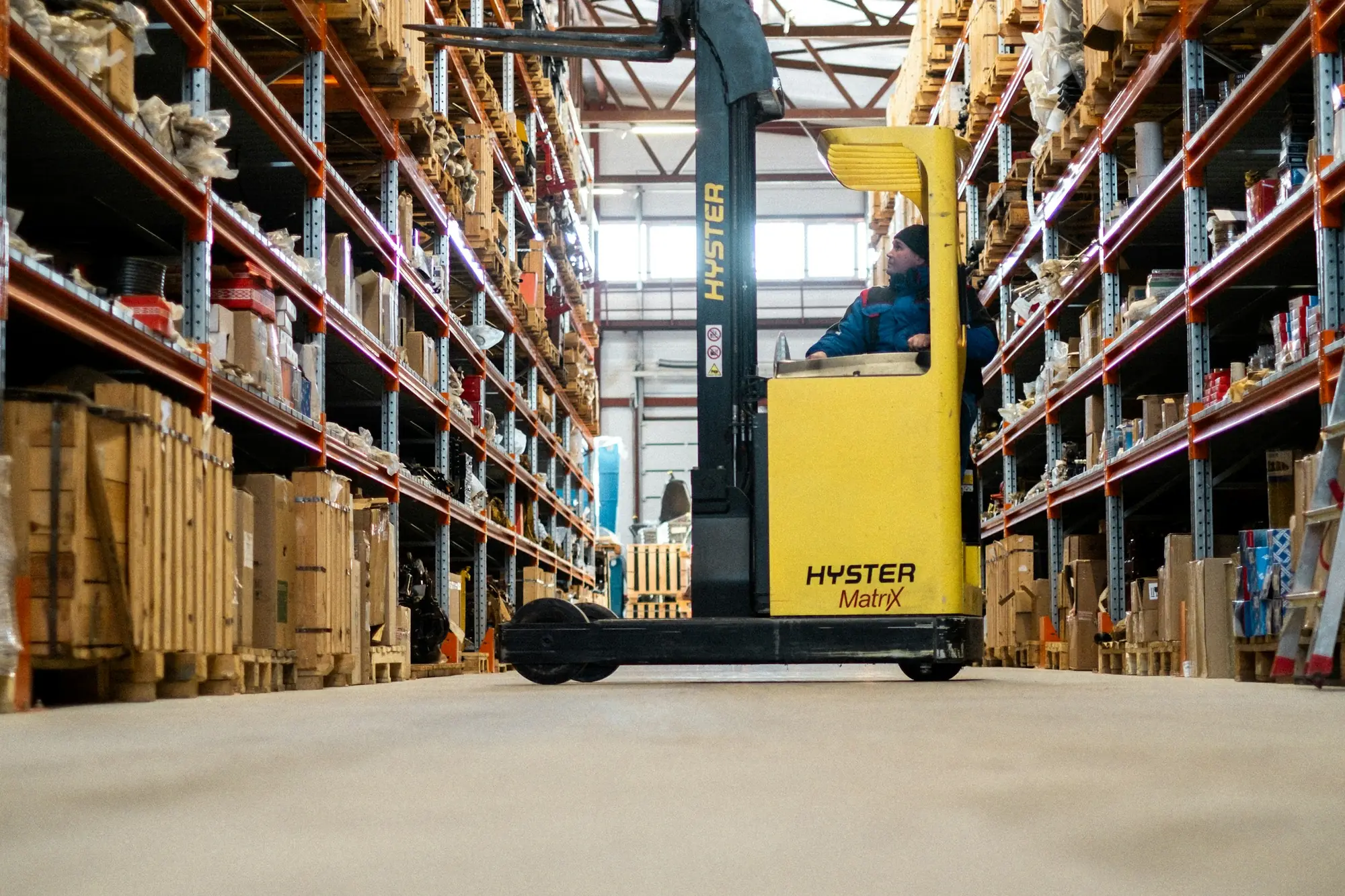

Every warehouse has a shelf nobody looks at. Forty of something that seemed like a good idea two seasons ago, a line a supplier talked you into, the tail end of a range you stopped carrying. It sits there costing you the space it occupies and the money you spent on it, and because it is not causing a problem today, it never reaches the top of anyone’s list.
The money involved is usually larger than people expect. Stock that has not moved in a year is cash you already spent, sitting still, in space you are paying for, in a business that probably has something better to do with both.
Finding it is the easy half
Any report can tell you what has not sold. The question that matters is what to do about each one, and the answer is different for a seasonal line that will sell again in four months than for something genuinely obsolete.
So the analysis looks at more than the date of the last sale. How much capital is tied up in this item. How fast it was moving before it stopped. Whether the pattern is seasonal or terminal. How long it has been sitting, because ninety days and nine hundred days are different problems.
What comes out is a list ordered by what it is costing you, rather than alphabetically or by age. The thing at the top is the thing to deal with first.
Deciding what to do with it
Most dead stock resolves into one of a few moves, and the data usually points clearly at which.
Something that sold steadily until recently and has slowed is often a pricing problem, and a discount will clear it at a smaller loss than holding it for another year. Something seasonal is better held than discounted, as long as you know that is what you are looking at. Something obsolete, with a successor already on the shelf, is a candidate for return to the supplier if the terms allow, and a write off if they do not.
The one that catches people out is slow but healthy stock, which is not dead at all. A product that sells twice a month is fine, and ends up on naive dead stock reports because the threshold was somebody’s round number rather than a judgement about that product.
Keeping it from coming back
Clearing the shelf once is worth doing. Not refilling it is worth more.
The same figures that identify dead stock tell you about your buying. If a category keeps producing slow movers, the reorder quantities for it are probably wrong. If one supplier’s lines dominate the list, that is a conversation to have at the next review.
Mostly it is about catching things earlier. An item that has not moved in ninety days is a discount. The same item at nine hundred days is a write off. The analysis runs against your live ERPNext stock, so the shelf is as current as your last goods receipt rather than as current as the last time someone built a spreadsheet.
See pricing or talk to us about what is sitting in your warehouse.